
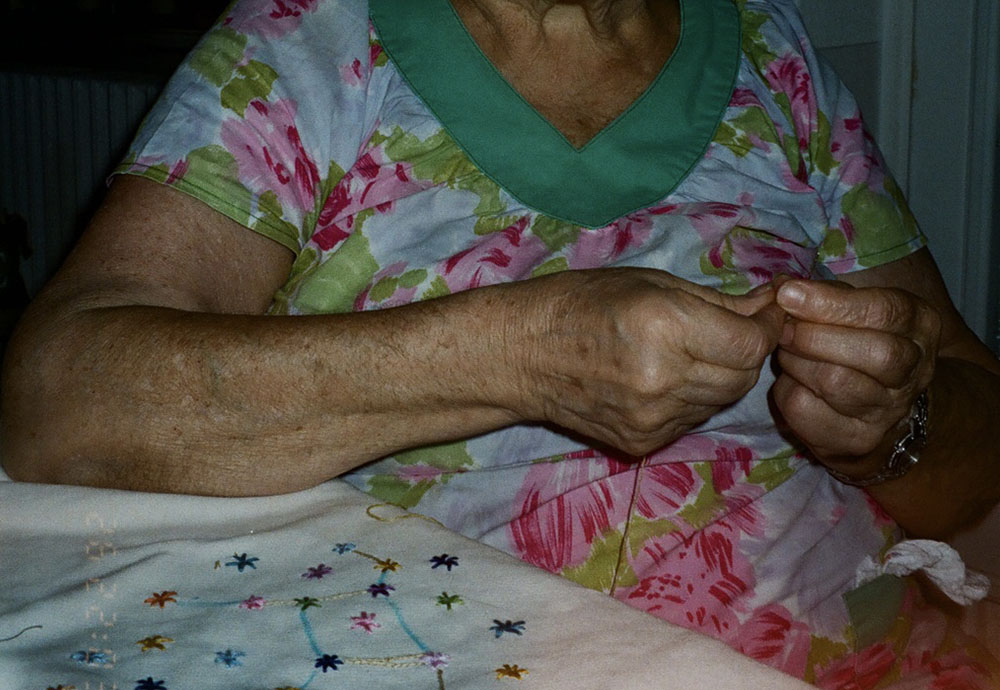
In a world increasingly dominated by mass production and “fast fashion,” handmade garments continue to stand out as symbols of quality, tradition, and authenticity. Whether it's a knitted jumper, a tailored dress, or a carefully embroidered accessory, a handcrafted item embodies a story, a passion, and a commitment that makes it unique and precious. But what is the true value of a handmade item? Let's find out together.
One of the elements that make handmade garments so special is the attention to detail. Artisans put their heart into every single piece, taking the time needed to perfect stitching, embroidery, and finishing. Unlike industrial production, where machines work mechanically and in a standardised way, handmade products are cared for in every aspect. This process guarantees a final result of the highest quality, which is reflected not only in the aesthetic appearance but also in the garment's durability over time.
The materials used are often carefully selected: fine wools, natural cottons, soft silks, and exquisite yarns, which ensure unparalleled comfort. The quality of the raw materials, combined with artisanal craftsmanship, creates a final product capable of withstanding wear and washing, maintaining its characteristics over time.
Every handmade item is a unique piece, the result of the creativity and skill of the artisan who makes it. Even when an artisan reproduces the same model, there will always be small variations that make it different from others: a slightly different seam, a shade of colour, a variation in the stitch of embroidery. This uniqueness is what gives added value to the item.
In an era of mass production, owning a unique garment is a statement of style and personality. It's a way to stand out, to wear a piece of tradition and authenticity not easily found in mass-produced items. Wearing a handmade garment means telling a story, that of the artisan who created it and the techniques they used, passed down from generation to generation.
Choosing a handmade garment is also a sustainable choice. Artisan production tends to have less environmental impact than industrial production, which often involves massive resource consumption and generates high levels of waste. Handmade garments, on the other hand, are made in small quantities and from quality materials, designed to last over time and not to be replaced quickly.
Furthermore, the artisans' attention in choosing materials and their craftsmanship makes handmade garments more environmentally friendly and kinder to the skin. Many artisans use natural materials, such as organic cotton and untreated wool, avoiding the use of harmful chemicals.
Handmade garments are a true investment. While their cost may be higher compared to industrial products, their quality and durability pay off in the long run. A well-made artisanal garment can accompany you for years, becoming a key element of your wardrobe.
Furthermore, owning a handmade garment also holds sentimental value. Every time you wear it, it will remind you of the care and passion with which it was made. It is an object that tells a story, that has a soul and that, unlike mass-produced items, retains its charm over time.
The value of a handmade garment goes far beyond mere aesthetics. It is a concentrate of tradition, passion, quality, and uniqueness, capable of enriching not only our wardrobe but also our awareness as consumers. Choosing a handmade garment means appreciating the art of craftsmanship, supporting the work of those who put their heart into their trade, and making a conscious and lasting style choice.